GRIPHON 10-YEAR OPEN-LABEL EXTENSION
GRIPHON Trial Overview
The safety and efficacy of UPTRAVI (selexipag) were demonstrated in a multicenter, double-blind, placebo-controlled, parallel-group, event-driven study in adult patients with symptomatic PAH (>98% WHO FC II or III). The primary endpoint was the time to first disease progression event.1,2*
- Treatment with UPTRAVI resulted in a 40% risk reduction† (99% CI: 22% to 54%; P<0.0001; HR 0.60) in disease progression compared with placebo (27% [155/574] vs 41.6% [242/582], respectively)1,2
- Adverse reactions occurring more frequently (≥5%) on UPTRAVI compared with placebo are headache, diarrhea, jaw pain, nausea, myalgia, vomiting, pain in extremity, and flushing1
GRIPHON 10-Year OLE Overview
Limitations
Results of open-label studies are subject to inherent limitations, including the absence of a placebo-control arm, which can introduce bias and affect data interpretation. The low number of patients at later timepoints limits this study to descriptive analyses and should be interpreted with caution. This study did not consider changes in risk category, treatment regimen, or UPTRAVI treatment duration over the long-term follow-up. Dose adjustments were permitted during the open-label extension, but these stayed within the dose group of low, medium, and high. To minimize selection bias, survival analyses were restricted to the 574 patients originally randomized to UPTRAVI in the double-blind study. This is important given that patients assigned to placebo in the double blind could later receive UPTRAVI in the open label, following a morbidity event after completing the double-blind study, potentially skewing long-term outcomes.3
Study Objectives
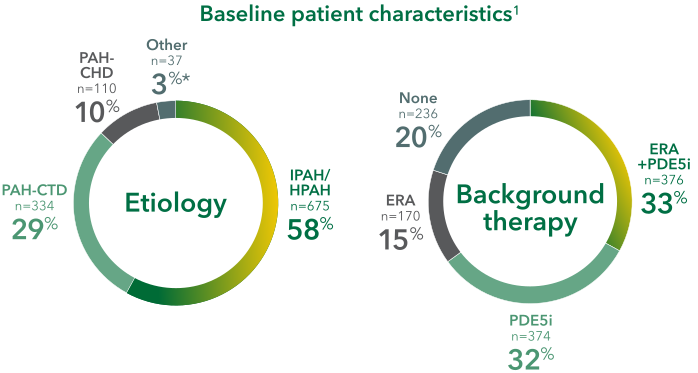
Assessments included patient characteristics, Kaplan-Meier survival estimates (assessed in the overall population, by individual maintenance dose, and by background therapy and time from diagnosis), and safety and tolerability.3
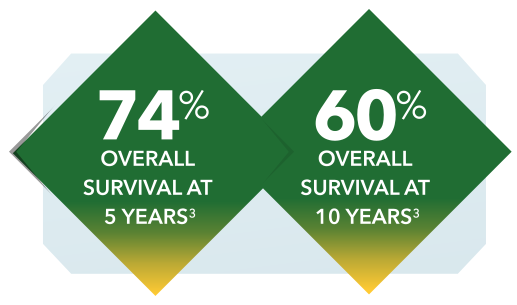
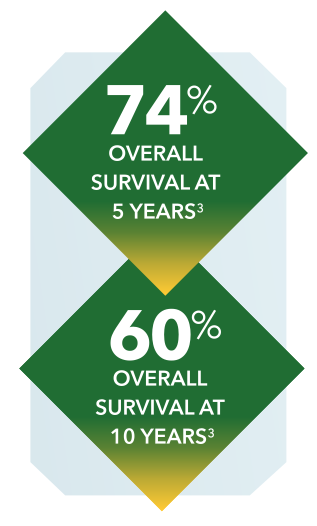
10-YEAR OLE: Overall Survival


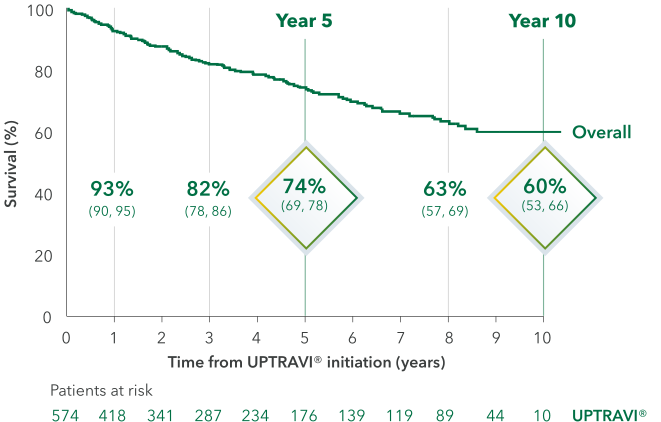
Kaplan-Meier survival estimates (95% confidence intervals) are shown.
10-Year OLE: Survival by Time From Diagnosis


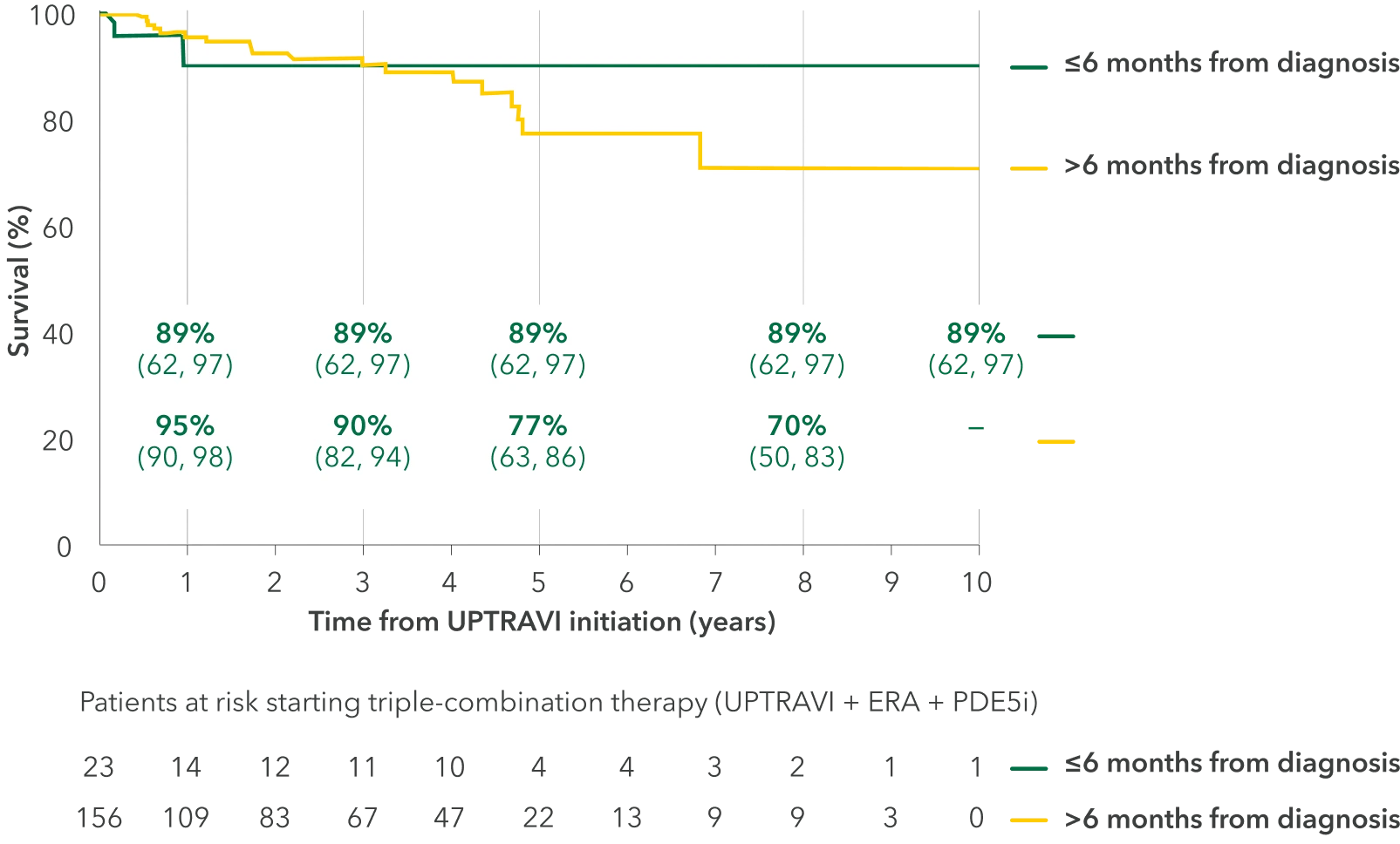
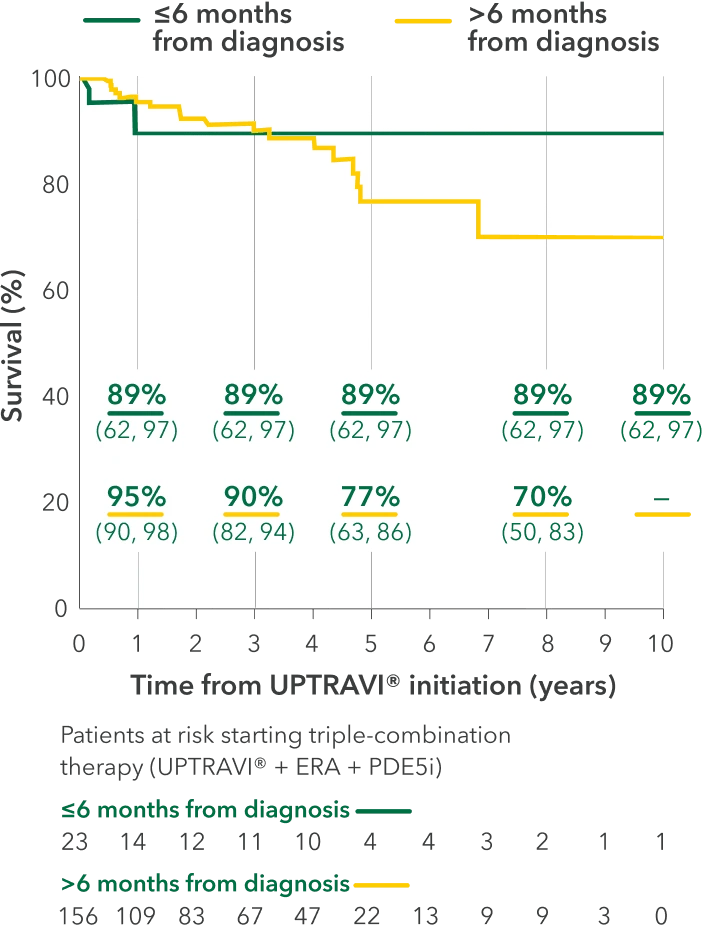
Kaplan-Meier survival estimates (95% confidence intervals) are shown. Does not include 112 patients in the overall population who did not have a PAH-specific background therapy at baseline.
10-Year OLE: Survival by Dose
A low personal dose of UPTRAVI (200 mcg to 400 mcg BID) is equally effective as higher personal doses (up to 1600 mcg BID) in a 10-year open-label extension study3


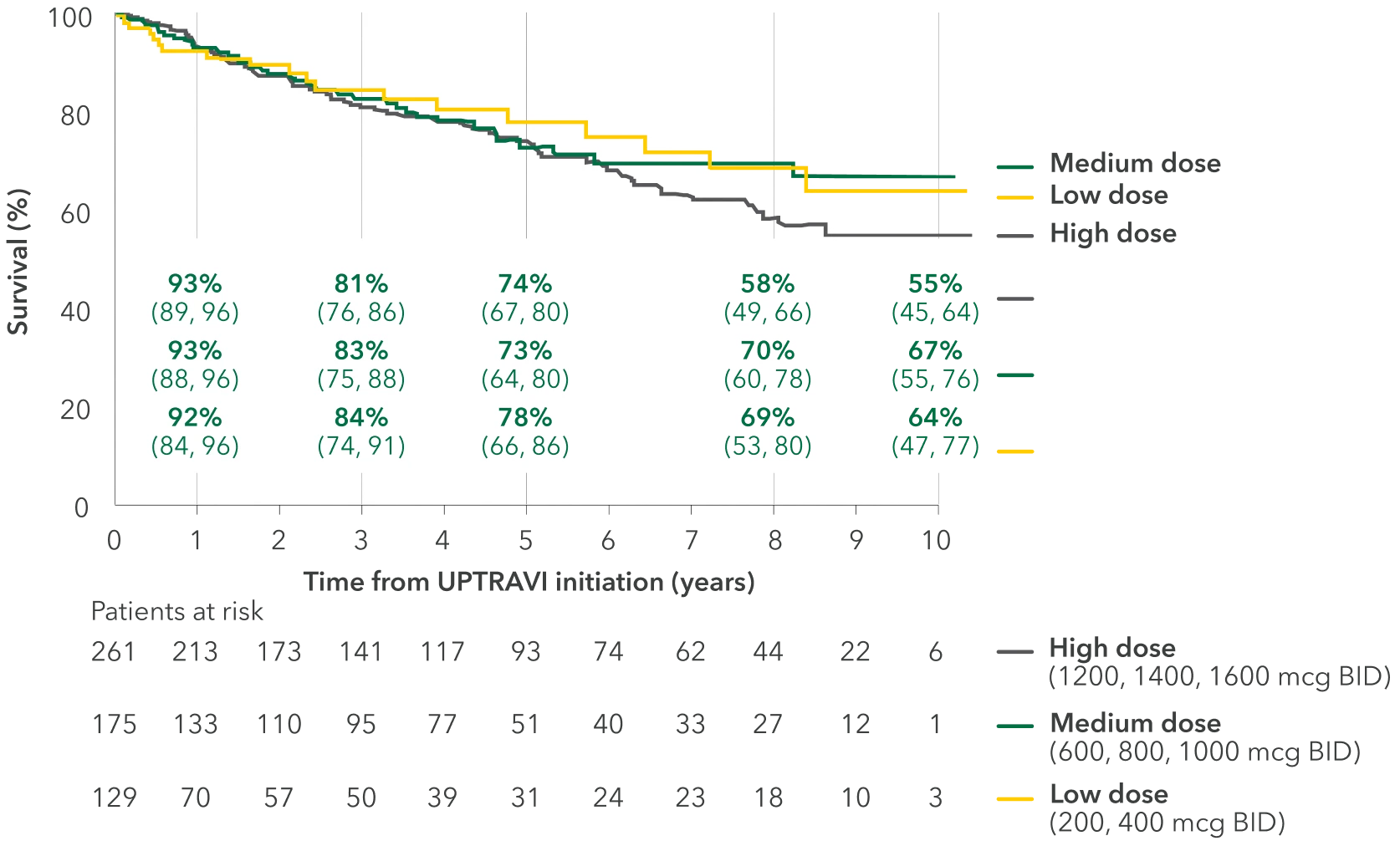
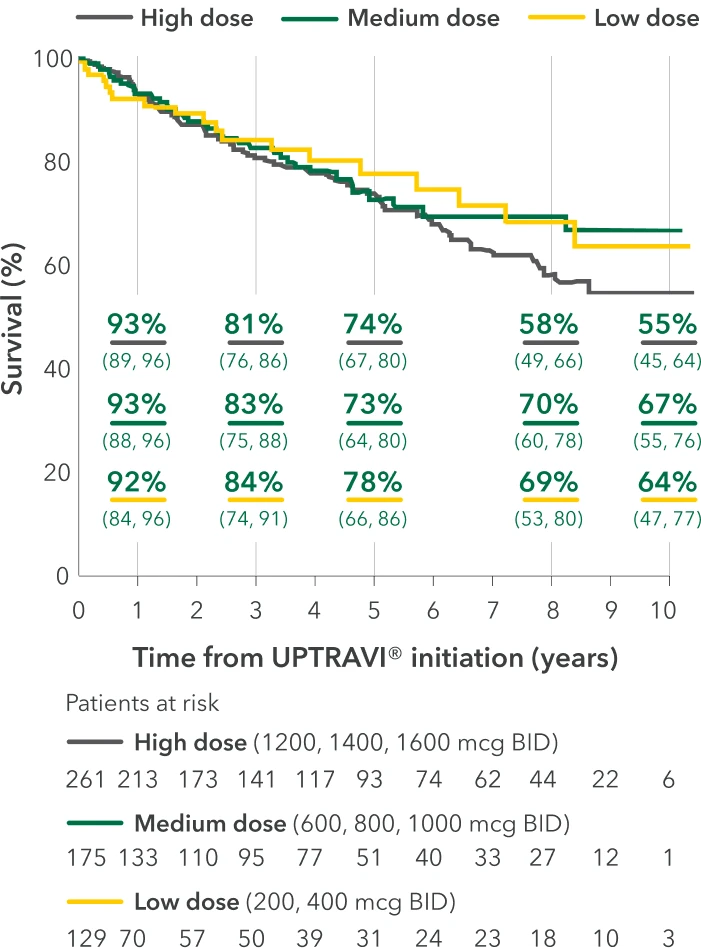
Kaplan-Meier survival estimates (95% confidence intervals) are shown. Does not include 8 patients in the overall population who were on an individualized maintenance dose of UPTRAVI <200 mcg BID and 1 patient whose individualized maintenance dose of UPTRAVI (700/900 mcg BID) did not meet the criteria for “medium” dose.
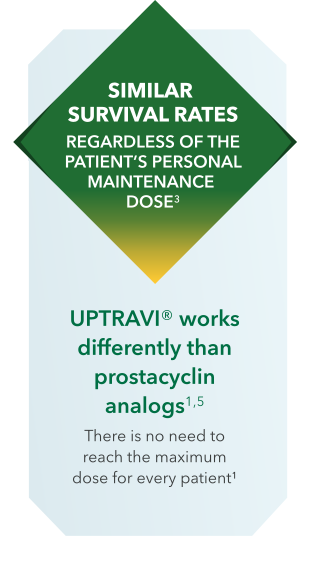
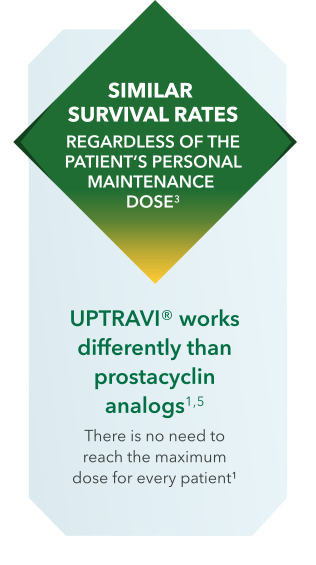
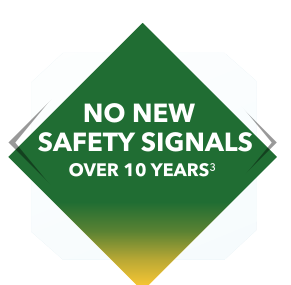
UPTRAVI demonstrated a consistent safety profile for up to 10 years3
10 years of data: The longest follow-up in a clinical study of any PAH therapy3


| ADVERSE EVENT3 | UPTRAVI N=574, n (%) |
|---|---|
| Headache | 390 (68) |
| Diarrhea | 265 (46) |
| Nausea | 209 (36) |
| Pulmonary arterial hypertension worsening | 203 (35) |
| Pain in jaw | 156 (27) |
| Death§ | 126 (22) |

Let real-world evidence inform your decisions
VIEW SPHERE REGISTRY